Shree Ranu Tulja Mataji Mandir

About

HOME About

The sacred legacy of ranu tulja mataji mandir
Ranu Tulja Mataji Mandir
Heritage 700+ Years
A sacred journey

Seven centuries of faith & devotion

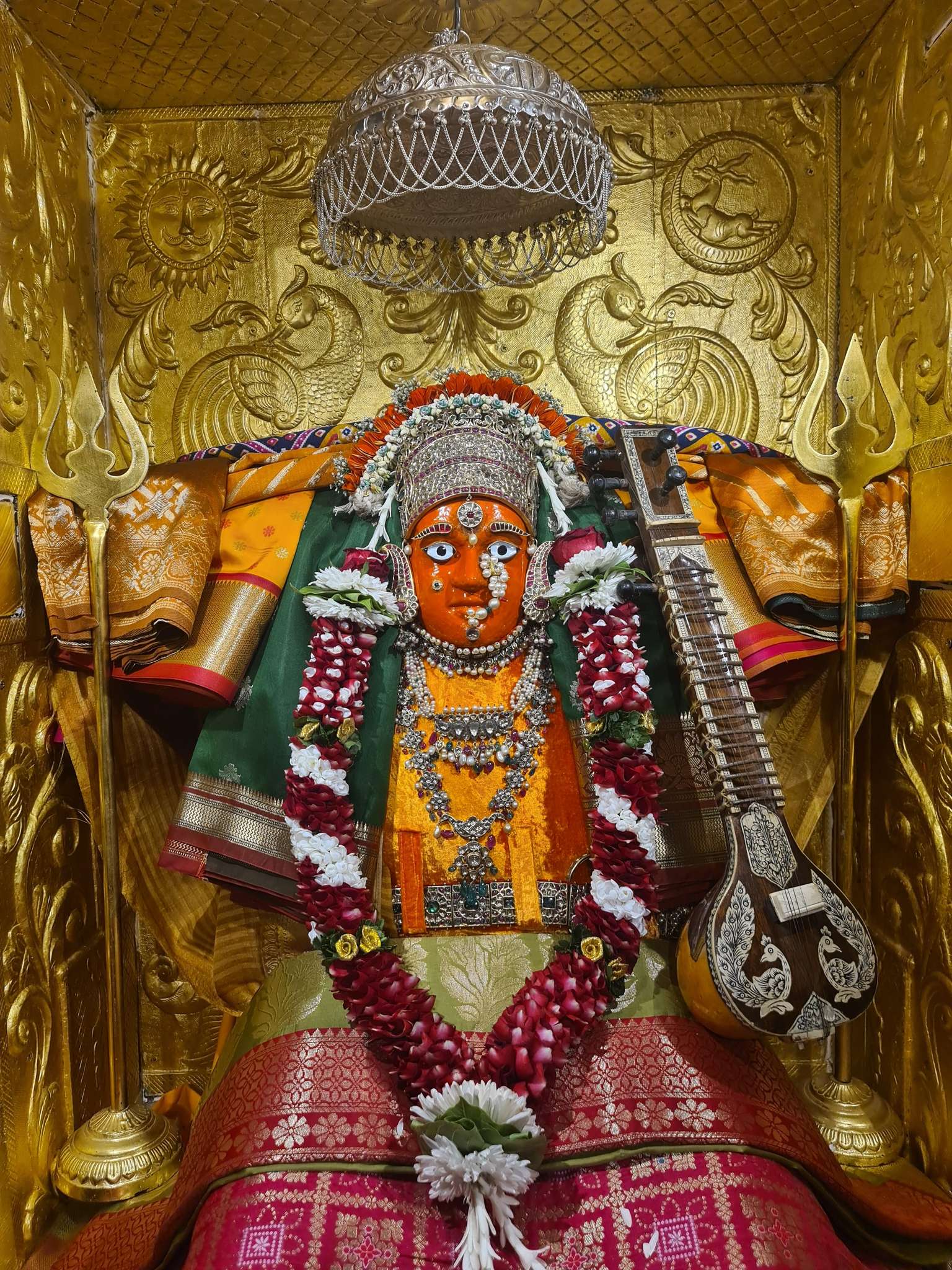
Shree Ranu Tulja Mataji Mandir is a sacred centre of love, devotion, peace and spiritual awakening, carrying a spiritual tradition of around seven hundred years.

Saint Vishwambharji Maharaj meditated here and worshipped the Almighty as Nirakaara. According to the temple tradition, Maa Tulja appeared in his dream and guided him to Her idol in the nearby pond. The sacred tradition continues today with the divine idol, Shree Yantra and the Akhand Dhuni preserved at the Mandir.

Our spiritual path

Maa Tulja allows devotees to worship with faith and sincerity in a relaxed and convenient manner, offering a path toward peace, compassion, devotion and inner spiritual connection.

Sacred heritage

The Mandir continues to preserve its ancient spiritual traditions, including the Shree Yantra, Akhand Dhuni and sacred temple practices while developing a peaceful place for future generations.

Ranu Seva - Stats Section
Know seva

Seva footprint : Touching lives through divine service

0+

Educational support to children.

0+

Cows sheltered with care.

0+

Health camps arranged.

0+

Meals shared with devotion.

Divine values

The values behind ranu tulja maa

The spirit of Ranu Tulja Maa is reflected through values that inspire truth, devotion, compassion and righteous living.

T TRUTH
U UNIVERSE
L LOVE
J JUSTICE
A AFFECTION
M MOTHER
A ATTACHMENT
A ALMIGHTY
RANU
Legacy of Devotion — Ranu Temple
Our legacy

Centuries Of faith, devotion & spiritual heritage

Shree Ranu Tulja Mataji Mandir is a sacred temple with a heritage of around nine hundred years. Located at Ranu, Gujarat, the Mandir has remained a place of devotion, peace and spiritual connection for generations of devotees.

The temple's sacred history is closely associated with Saint Shree Vishwambharji Maharaj, who came to Ranu with his Akhand Jyot and discovered the divine idol of Maa Tulja in the pond now remembered as Maan Sarovar. The sacred Akhand Dhuni initiated during that period continues to be preserved at the temple.

Centuries-old heritage
Akhand dhuni
Maan sarovar
Shree yantra
11th–12th century heritage
Siddheshwar mahadev
Sacred traditions

Temple activities & spiritual traditions

From daily aarti and darshan to Navratri worship, devotional gatherings and sacred offerings, the traditions of Ranu continue to bring devotees closer to Maa Tulja Bhavani.

Daily worship

Daily darshan & aarti

Devotees are welcomed throughout the day for darshan and worship. Morning aarti is performed at 6:00 AM and evening aarti at 6:00 PM.

Navratri traditions

Navratri worship

During Navratri, Maa Tulja Bhavani is worshipped through Nav Chandi Yagna and other rituals. The temple chowk is illuminated, while Jawara and Garbh Deep are prepared as part of the sacred tradition.

Devotional Traditions

Bhajan, Dhoon & Prasad

Devotee Sanghs gather for bhajans and Maa Tulja Bhavani's dhoons throughout Navratri. Devotees also participate in special worship, Devi Darshan and Mahaprasad during sacred occasions.

Why ranu

Experience faith, heritage & divine blessings

Discover sacred traditions, peaceful surroundings and spiritual experiences that have attracted thousands of devotees for generations.

01

Divine darshan

Experience the peaceful presence of Maa Tulja Bhavani and receive divine blessings through daily darshan and rituals.

02

Sacred dhuni

Witness the eternal Akhand Dhuni, symbolising purity, devotion and continuous spiritual energy.

03

Festivals & Seva

Celebrate Navratri, Dussehra and other grand festivals while participating in community seva.

04

Spiritual peace & blessings

A sacred destination where faith, heritage and devotion unite to provide inner peace and lifelong memories.

About ranu tulja mataji mandir

Discover the sacred places of ranu

Discover the sacred places and spiritual heritage of Shree Ranu Tulja Mataji Mandir, including Maan Sarovar, Akhand Dhuni and the divine connection of Shree Swaminarayan Bhagvan with Maa Tulja Bhavani.

Sacred origin Maan Sarovar at Ranu Tulja Mataji Mandir

Maansarovar

Around seven hundred years ago, Saint Shree Vishwambharji Maharaj arrived at Ranu with his Akhand Jyot. As guided by Maa Tulja Bhavani, he began searching for her in the form of an idol while working to fulfil the water needs of people. The divine idol of Maa Tulja was found in the pond now known as Maan Sarovar.

Eternal flame Akhand Dhuni at Ranu Tulja Mataji Mandir

Akhand dhuni

After reaching Ranu with his Akhand Jyot, Saint Shree Vishwambharji Maharaj started the Akhand Dhuni with Akhand Chit. The sacred fire associated with this spiritual tradition continues to be preserved at the temple and remains an important part of the sacred heritage of Ranu.

Inner peace Maun Mandir at Ranu Tulja Mataji Mandir

Maun mandir

Maun Mandir is a place associated with silence, contemplation and spiritual practice, offering devotees a peaceful environment for inner reflection, meditation and connection with the Divine. It provides a serene space where devotees can spend quiet moments, practise stillness and deepen their spiritual awareness.

Divine presence Shree Swaminarayan Bhagvan at Ranu Tulja Mataji Mandir

Shree swaminarayan's visit

More than two hundred years ago, Shree Swaminarayan Bhagvan and his followers visited Ranu to seek the blessings of Maa Tulja. He bathed in Maan Sarovar, where Maa's idol had been found, and performed seva, pooja and aarti. He also blessed his followers with the teaching that Shiv and Shakti are one.

Historical records

Preserving our heritage & legacy

Discover the historical records and treasured documents that reflect the rich heritage, architectural legacy and spiritual significance of Shree Ranu Tulja Mataji Mandir.

11th Century Original Temple Historical Record
Heritage record

11th Century original temple certificate

A treasured historical record connected with the ancient heritage of Shree Ranu Tulja Mataji Mandir. The old temple records describe architectural elements associated with the original temple structure.

Period 11th – 12th Century
Heritage Ancient temple architecture
Record Original temple heritage record
Our heritage

The temple's historical records form an important part of the spiritual and cultural legacy preserved at Ranu for generations.